


How Much Horsepower Does a Motorcycle Have? The Direct Answer
A 50cc scooter makes roughly 3 to 5 horsepower , a 125cc commuter makes 9 to 14 horsepower , and a 1000cc superbike makes anywhere from 160 to 220 horsepower . That is the full span of motorcycle horsepower seen on public roads, and most riders only use a very small slice of it.
If you need a practical figure rather than a range: most street motorcycles sold today sit between 40 and 150 horsepower . A 600-700cc twin with 65-75 HP is already enough for fast highway riding and relaxed touring. A 400cc bike with 40-45 HP handles daily commuting and the occasional weekend trip without feeling underpowered.
The reason the spread is so wide is that displacement is only half the story. Cylinder construction, bore-to-stroke ratio, compression, cooling, intake design, and calibration all push the final output in different directions. Reading a spec sheet without understanding those pieces will almost always lead you to the wrong conclusion about how a bike actually rides.
What Motorcycle Horsepower Actually Measures
Horsepower is a measure of the rate at which an engine does mechanical work . It is calculated from torque and engine speed using the standard formula:
HP = torque (lb-ft) × RPM ÷ 5252
In metric units: kW = torque (N·m) × RPM ÷ 9549 , with 1 HP ≈ 0.746 kW.
The common point of confusion is torque versus horsepower. Torque is twisting force; horsepower is work done over time. An engine with high torque at low RPM feels punchy from a standstill and makes city riding relaxed. An engine with high horsepower at high RPM delivers stronger acceleration as the tachometer climbs, which is why sport bikes feel flat below 8,000 RPM and ferocious near redline.
Sports Bike vs. Touring Bike: A Real Example
- Sports bike (600cc four-cylinder): around 120 HP, but peak power arrives at 13,000 RPM; low-RPM torque is thin.
- Touring bike (650cc twin): around 65-75 HP, with strong pull from 2,500 RPM upward; it feels faster at town speeds because the torque is available early.
- Which is "more powerful"? In pure peak numbers, the 600cc sport bike wins. On a real road, the 650cc twin delivers usable power every time you twist the throttle.
This is why horsepower figures never tell the whole story by themselves. If you want to understand how cylinder condition, sizing, and specification affect these numbers in a practical way, start with this motorcycle cylinder buyer's knowledge guide .
Motorcycle Horsepower by Engine Displacement
The table below gives the realistic horsepower ranges for current production motorcycles. These figures reflect stock motorcycles on pump fuel, not tuned track bikes.
| Engine Size | Typical HP Range | Usual Bike Types |
|---|---|---|
| 50cc | 3-5 HP | Scooters, mopeds |
| 110-125cc | 8-15 HP | Commuter bikes, learner machines |
| 150cc | 13-18 HP | City bikes, fuel-efficient commuters |
| 200-250cc | 18-35 HP | Beginner naked bikes, dual-sports |
| 300-400cc | 28-48 HP | A2-friendly sport bikes, nakeds |
| 500-650cc | 45-76 HP | Twins, commuter tourers, all-rounders |
| 600cc (four-cylinder) | 100-125 HP | Super-sport track-oriented bikes |
| 700-900cc | 70-110 HP | Adventure bikes, nakeds, tourers |
| 1000cc | 140-220 HP | Superbikes, liter-class nakeds |
Two engines of the same displacement can differ by more than 40 HP. A 600cc four-cylinder super-sport reaches about 120 HP, while a 650cc twin produces roughly 65-75 HP. The difference comes from bore and stroke, valve timing, compression, and cylinder materials, not from the number printed on the side cover.
How the Cylinder Itself Decides Your Horsepower
Every horsepower figure starts inside the cylinder. The cylinder bore and the crankshaft stroke determine total displacement, and that displacement is the ceiling for how much air and fuel the engine can burn each revolution:
Displacement = π ÷ 4 × bore² × stroke × number of cylinders
Bore vs. Stroke: Where the Power Curve Comes From
- Bigger bore: larger valve area and shorter piston travel per revolution; the engine revs higher and makes its peak HP high in the RPM range.
- Longer stroke: more piston speed and more leverage on the crank; torque builds lower, which suits commuting, touring, and off-road riding.
- Oversquare (bore larger than stroke): typical for sport bikes. Undersquare (stroke larger than bore): typical for adventure and work bikes.
Cylinder Material and Cooling Matter More Than You Think
The cylinder removes combustion heat; if it cannot, the engine loses power through detonation and thermal loss. Two material families dominate motorcycles.
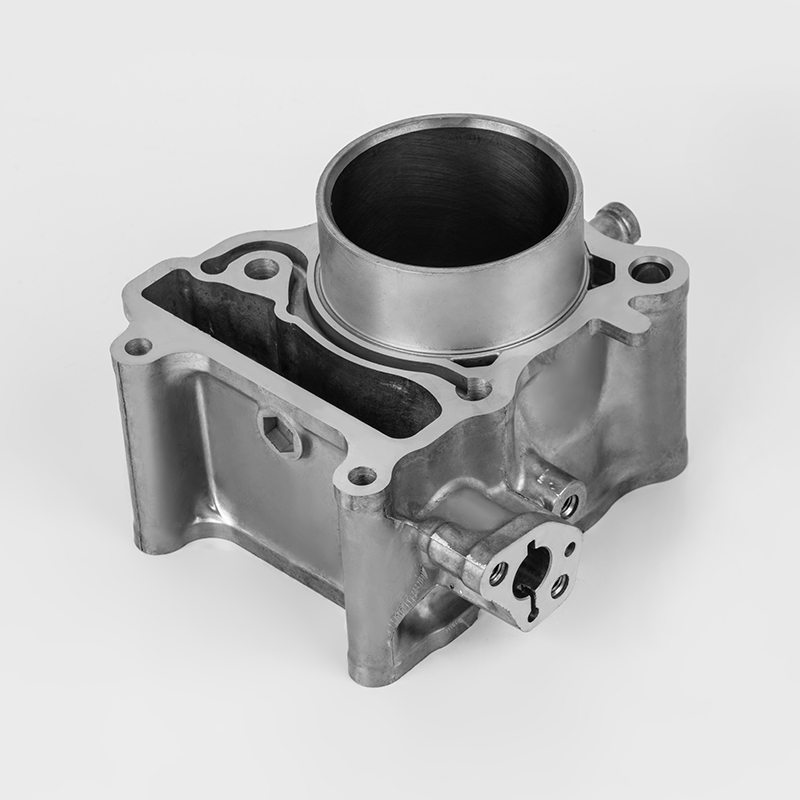
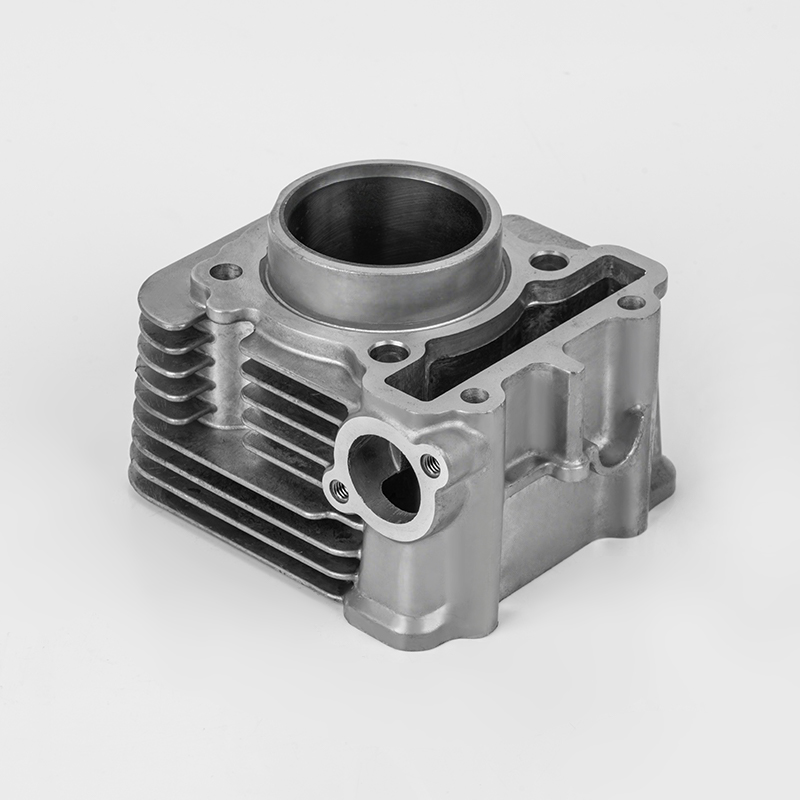
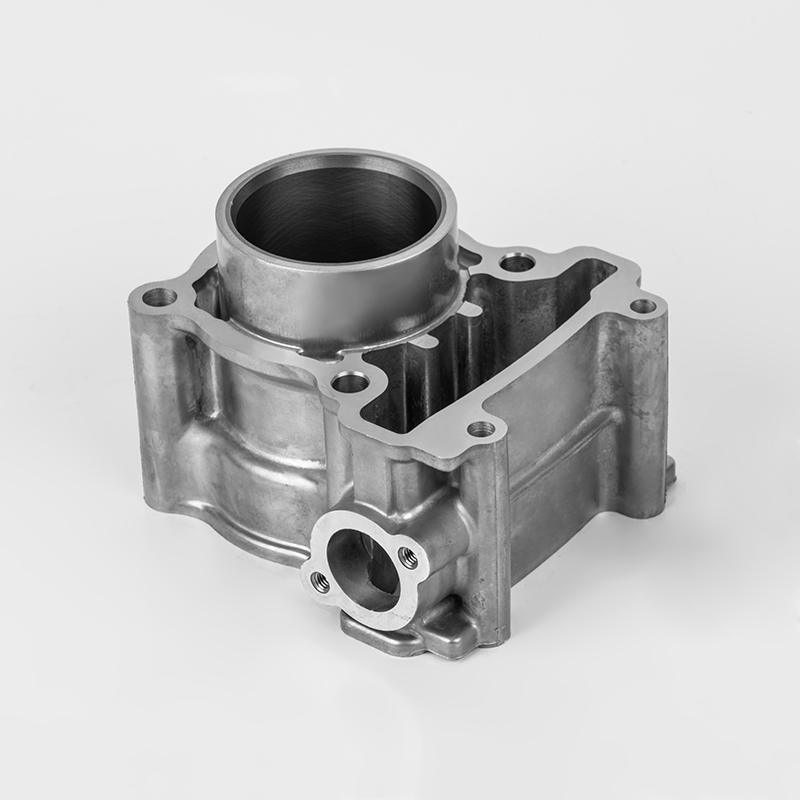
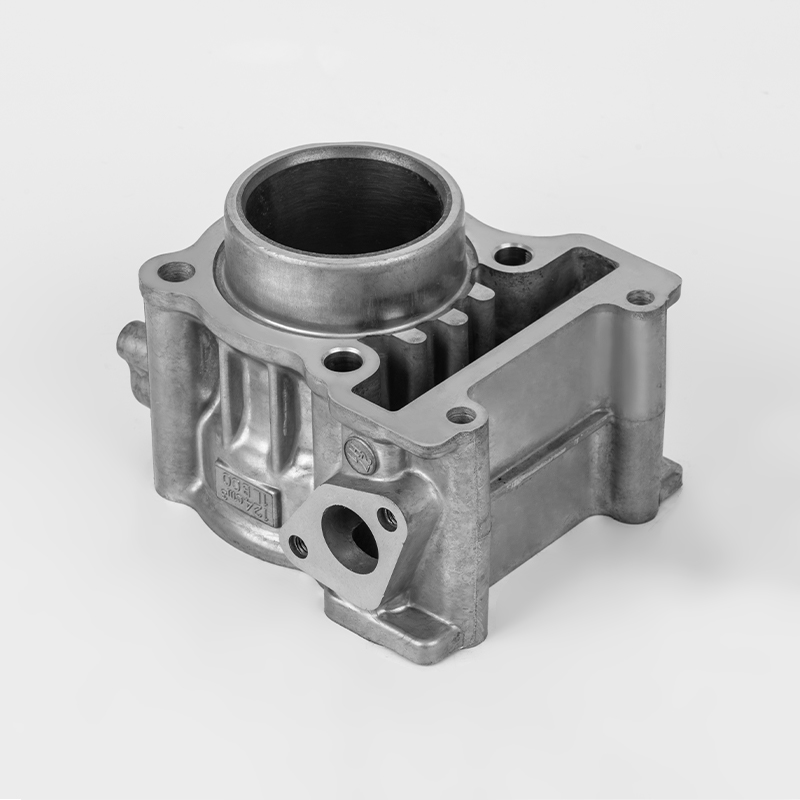
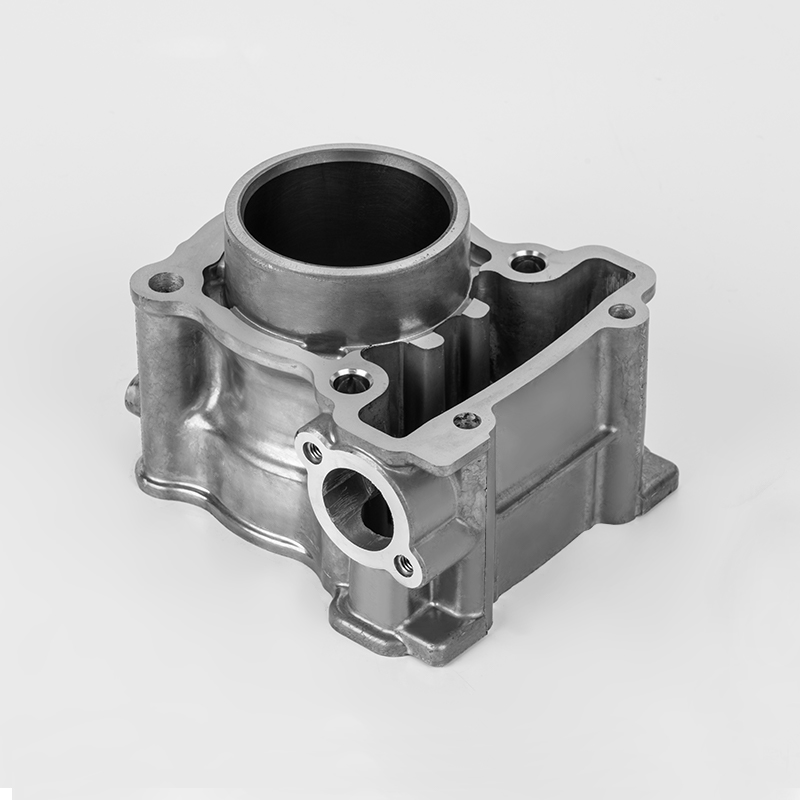
- Aluminum alloy cylinders: excellent heat transfer, lighter weight, and a predictable thermal expansion. They allow tight piston clearances, which improves sealing and sustains horsepower on long rides. A good example is the Yamaha LC135 water-cooled aluminum engine cylinder
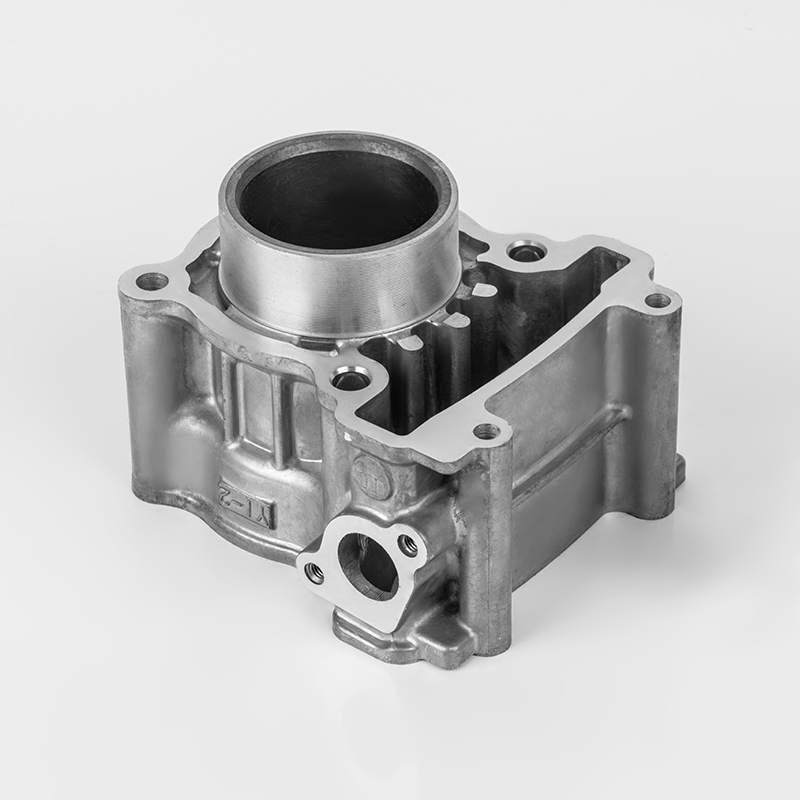 LC135 (Φ54/57) Yamaha water-cooled aluminum engine cylinder Suppliers, Wholesale Ningbo Daxie Development Tianshan Cylinder Block Co., Ltd is China wholesale LC135 (Φ54/57) Yamaha water-cooled aluminum engine cylinder ... View Product → , which keeps cylinder wall temperature stable even under sustained high RPM.
 - Cast iron cylinders: stronger against wear and more affordable to produce. Iron holds heat longer, which is beneficial in cold weather and in heavy utility engines, but it needs slightly looser clearances. If you are comparing options for a work bike, the cast-iron motorcycle cylinder buyer's guide explains the trade-offs in depth.
Cooling method changes the same story. A water-cooled cylinder keeps the wall temperature inside a narrow band, so the tuner can run a higher compression ratio without the risk of knocking. An air-cooled cylinder is lighter and simpler, but under repeated hard acceleration its power drops as the cylinder head and barrel heat up.
Six Real-World Factors That Move the Horsepower Needle
You can own two motorcycles with identical displacement and identical claimed peak HP, yet one will feel noticeably faster. These are the reasons, in the order mechanics actually check them.
- Compression and cylinder sealing. A healthy small-bore engine typically shows 130-180 psi on a compression tester. Readings below 100 psi mean the rings, bore, or valves have worn, and the engine is leaking power past the piston.
- Intake and exhaust restriction. A dirty air filter, carboned valves, or a blocked muffler can cost 5-15% of the rated output on an otherwise healthy engine.
- Ignition timing and fuel quality. Retarded timing and low-octane fuel force the ECU to pull power to prevent knock; the loss is real and it shows up first at high RPM.
- Drivetrain losses. A worn chain, tight linkage, or low tire pressure acts like extra load and makes the same engine feel weaker, especially in the midrange.
- Altitude and air temperature. Above roughly 1,500 meters, naturally aspirated engines lose about 3% of power per 300 meters. On a hot 35°C day, a 100 HP bike can feel closer to 90 HP.
- Cylinder bore wear. As the bore surfaces wear, blow-by increases, the piston rings stop seating, and peak cylinder pressure drops. This is the mechanical reason many older bikes lose power before any other component fails.
How Much Horsepower Do You Actually Need? A Riding-Style Guide
Instead of chasing a number, match horsepower to the riding you do most often. The following figures are practical working ranges, not marketing claims.
- 5-10 HP (50-125cc): ideal for short city hops, tight traffic, and beginner riders. These bikes keep pace with urban traffic but run out of breath above 80 km/h.
- 15-25 HP (150-250cc): the sweet spot for daily commuting with occasional highway exits. Light, cheap to run, and forgiving in corners.
- 30-48 HP (300-400cc): comfortable at 110-130 km/h highway speeds with enough reserve for two-lane overtakes. Excellent for newer riders moving up.
- 50-76 HP (500-700cc): the practical ceiling for most riders. Sustained touring, two-up riding, and spirited backroad pace all live comfortably here.
- 100-220 HP (600-1000cc sport bikes): track-oriented performance. On public roads, self-discipline becomes the limiting factor, not the engine.
The useful lesson from workshop data is simple: the difference between a frustrating bike and a satisfying one is usually 10-20 HP delivered in the right place, not 50 HP delivered at 12,000 RPM. A torquey, well-sealed engine will always feel stronger than a worn engine with a higher paper figure.
When a Cylinder Replacement Restores or Raises Horsepower
Cylinder wear is the most common power leak on motorcycles past 30,000-50,000 km. The symptoms are consistent: rising oil consumption, blue smoke on start-up, hard cold-starting, and compression readings that keep dropping. What many riders miss is that the cylinder bore itself wears in two directions at once.
Wear Limits and Oversize Stages
- Most service manuals define acceptable piston-to-cylinder clearance between 0.02 mm and 0.05 mm for aluminum cylinders with cast-iron liners.
- Bore taper and ovality over 0.05 mm within the ring travel zone are common reasons a rebore is ordered.
- Oversize piston stages are typically 0.25, 0.50, 0.75, and 1.00 mm . Going beyond 1.00 mm usually means a new cylinder or a liner installation.
Replace or Rebore?
Reboring saves the original casting and is cost-effective when the cylinder wall is thick enough. Replacement makes sense when the original bore is badly scored, the cooling fins are damaged, or the liner has shifted. On popular commuter engines, a brand-new cylinder is often cheaper than machining plus an oversize piston kit.
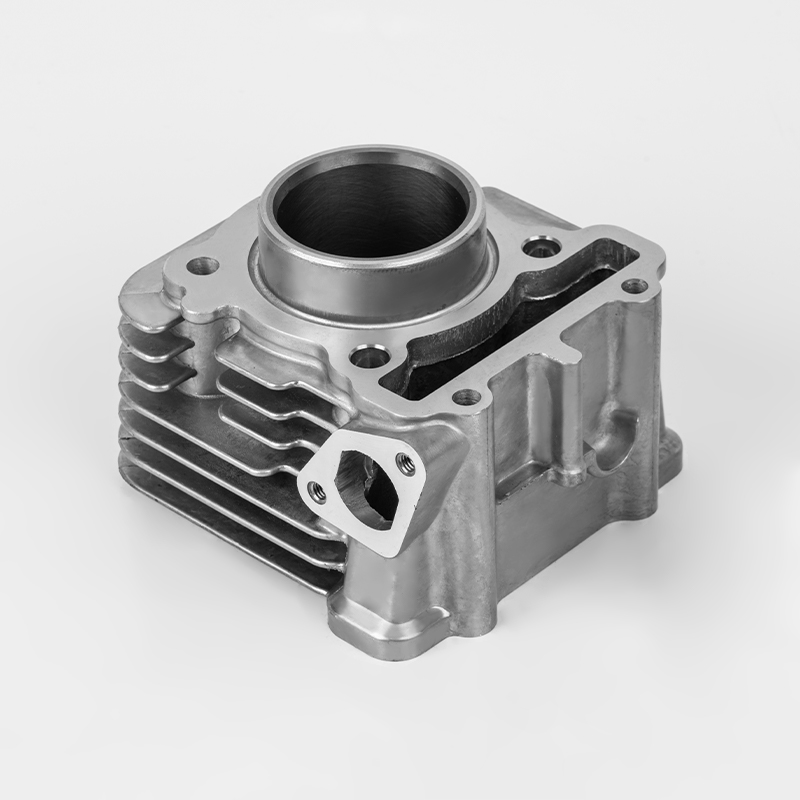
For a 125cc commuter, fitting a fresh Honda CG125 die-casting engine cylinder assembly restores the piston seal and typically brings compression back to factory condition, which shows up immediately as stronger low-RPM pull and cleaner throttle response. Many shop owners quote a 15-25% recovery in felt power when they replace a badly worn 125cc cylinder instead of just fitting new rings.
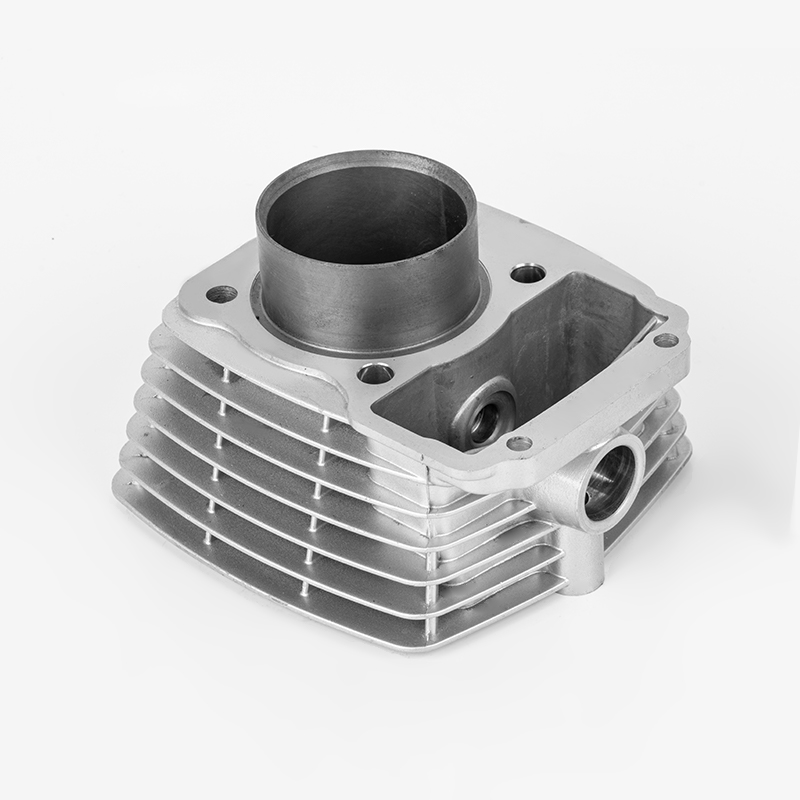 CG125 (Φ56.5) Honda die casting engine cylinder assembly Suppliers, Wholesale Fa Ningbo Daxie Development Tianshan Cylinder Block Co., Ltd is China wholesale CG125 (Φ56.5) Honda die casting engine cylinder assembly sup... View Product →
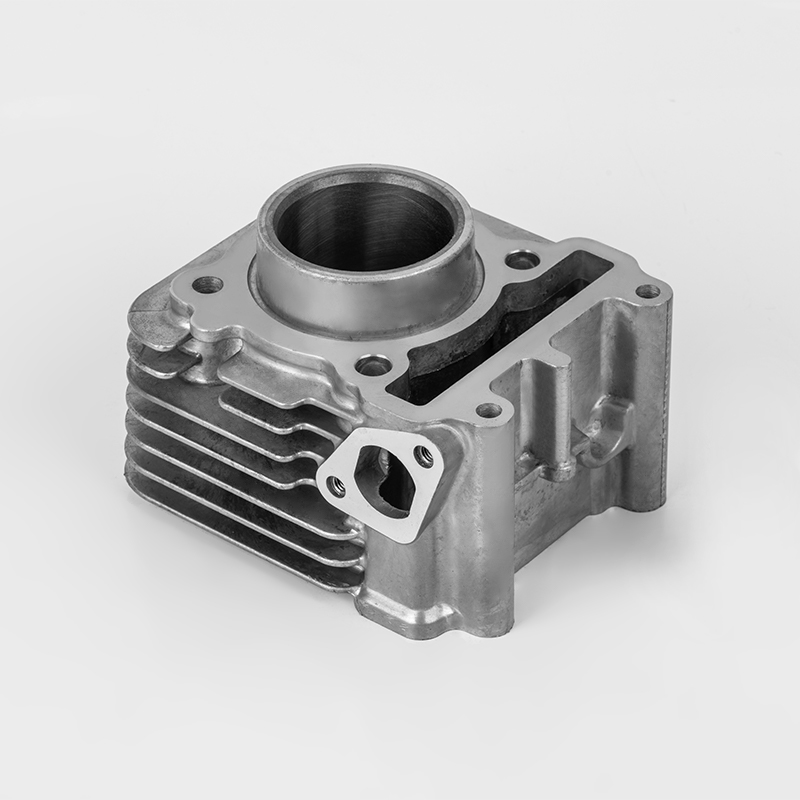
 On work bikes like the Bajaj CT100, the choice of cylinder material matters. A CT100 precise cast-iron motorcycle cylinder tolerates dust, irregular maintenance, and longer service intervals better than an aluminum unit, making it the usual choice in rural and heavy-use conditions. The trade-off is slightly more weight and slower warm-up, but the durability is worth it for a bike that works for a living.
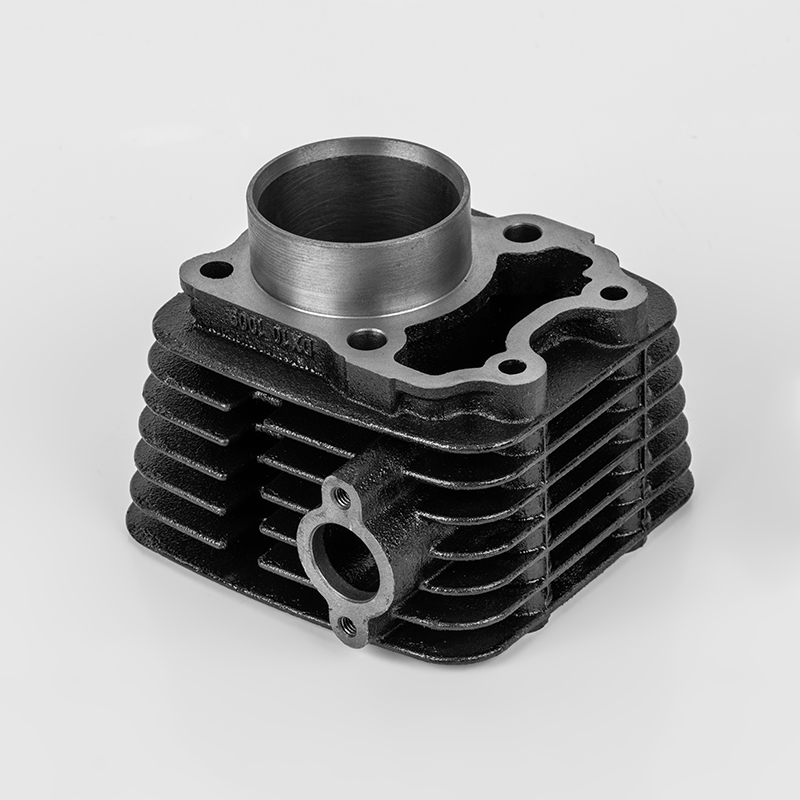 CT100 (Φ53) high-precision durable cast iron motorcycle cylinder Suppliers, Whol Ningbo Daxie Development Tianshan Cylinder Block Co., Ltd is China wholesale CT100 (Φ53) high-precision durable cast iron motorcycle cyli... View Product →
 If the cylinder check points to replacement, the step-by-step procedure in how to replace a motorcycle cylinder walks through the critical clearances, torque sequence, and break-in rules that prevent the new part from failing early.
Frequently Asked Questions About Motorcycle Horsepower
Q1: Does more horsepower always mean a faster motorcycle?
No. Weight, aerodynamics, gearing, and the shape of the torque curve matter just as much. A 65 HP 650cc twin with a light chassis will out-accelerate a 45 HP 250cc bike at highway speeds, but a 120 HP sport bike with the wrong gearing can feel slower off the line than a torquey 70 HP twin.
Q2: Is horsepower or torque more important for street riding?
For most street riders, torque in the midrange matters more. It determines how easily the bike accelerates without downshifting. Horsepower becomes the deciding factor at high RPM and high speeds, which is mainly a track or long-highway concern.
Q3: Will a big-bore kit or a new cylinder increase horsepower?
A big-bore kit increases displacement, which raises both torque and horsepower if the intake, fueling, and exhaust are adequate. Replacing a worn cylinder with a stock-size unit usually does not increase peak HP beyond the original number, but it restores the power that wear has removed. In that sense, the bike "gains" the lost power back.
Q4: How much horsepower is lost through engine wear?
The loss is rarely a single clean number, but workshop experience on small and mid-size singles suggests 10-25% of rated power by the time compression drops below 100 psi. The loss shows up first as weak low-RPM acceleration and higher fuel consumption, not as a dramatic top-speed change.
Q5: Does a new cylinder alone fix low power?
Only if the rest of the engine is healthy. Check valve clearance, cam chain tension, carburetion or fuel injection, and ignition timing first. A fresh cylinder with a clean head, correct clearances, and good rings will transform an underpowered engine; with a worn head, it will still run below potential.
Q6: Are water-cooled cylinders more powerful than air-cooled ones?
Not automatically, but water cooling allows a higher compression ratio and a more aggressive calibration because cylinder wall temperature stays stable. On identical displacement, a water-cooled engine usually holds its peak horsepower for longer under sustained load. Air-cooled engines are lighter and simpler, but their power drops as heat builds up.