


2024 Suzuki GSX-8R Specs: The Direct Answer
The 2024 Suzuki GSX-8R is a middleweight sport bike built around a 776cc parallel-twin engine, producing approximately 81 horsepower at 8,500 rpm and 57.5 lb-ft of torque at 6,800 rpm. It uses a steel trellis frame with an aluminum swingarm, fully adjustable KYB suspension at both ends, and a curb weight close to 445 pounds depending on market trim. For riders comparing it against other 800cc sport bikes, the GSX-8R sits in a sweet spot: enough power for highway overtakes and weekend track days, but light enough handling for daily commuting without fatigue.
This guide walks through every major spec category in depth, including the engine's aluminum cylinder construction, transmission behavior, chassis geometry, aerodynamics, electronics package, ergonomics, fuel economy, available colors, ownership costs, and a side-by-side comparison against its closest rivals, before answering the most common buyer questions at the end.
Engine and Aluminum Cylinder Construction
The heart of the GSX-8R is Suzuki's 776cc liquid-cooled, parallel-twin engine, shared with the GSX-8S naked bike but tuned with a slightly sportier fueling map. The bore and stroke measure 84.0mm by 70.0mm, with a compression ratio of 12.8:1, which lets the engine run on regular unleaded fuel rather than requiring premium grades.
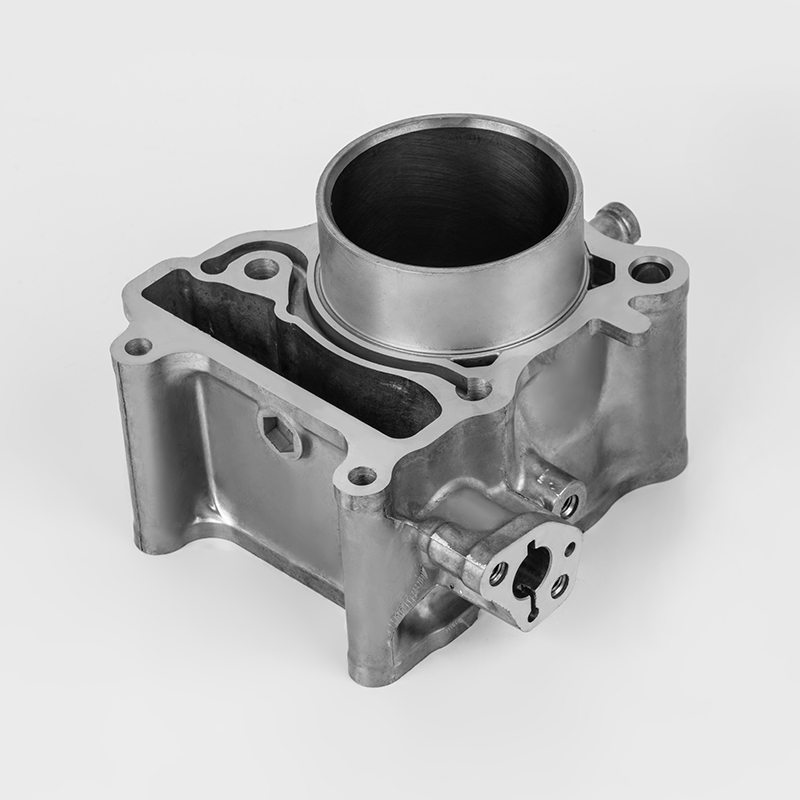
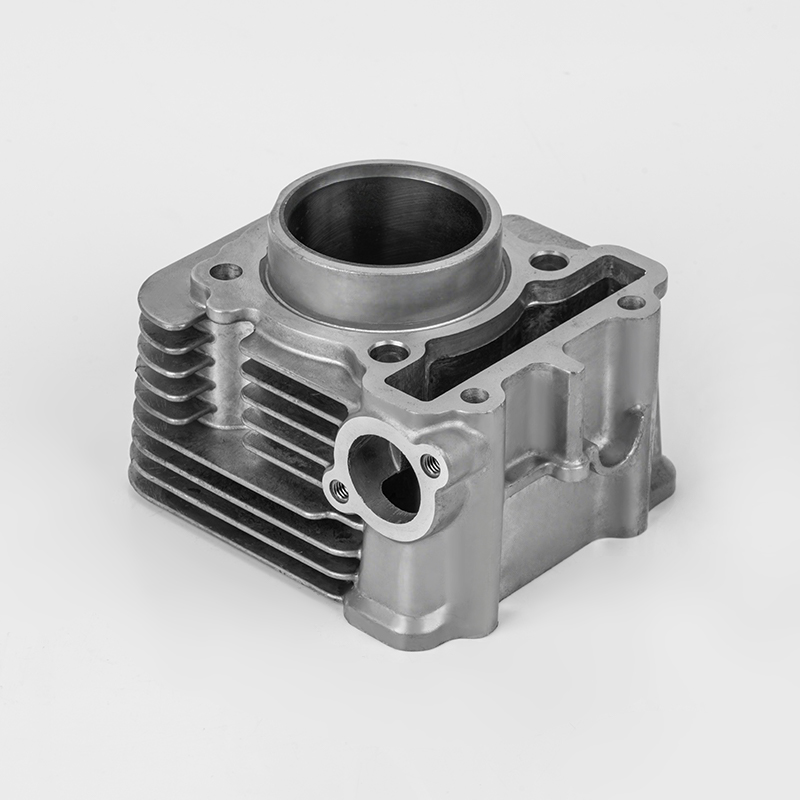
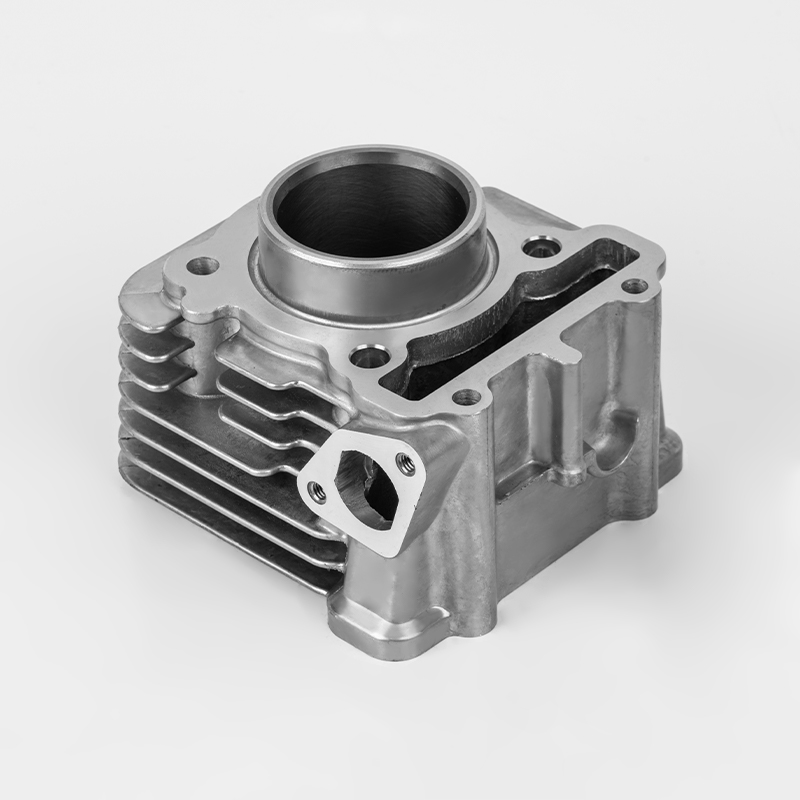
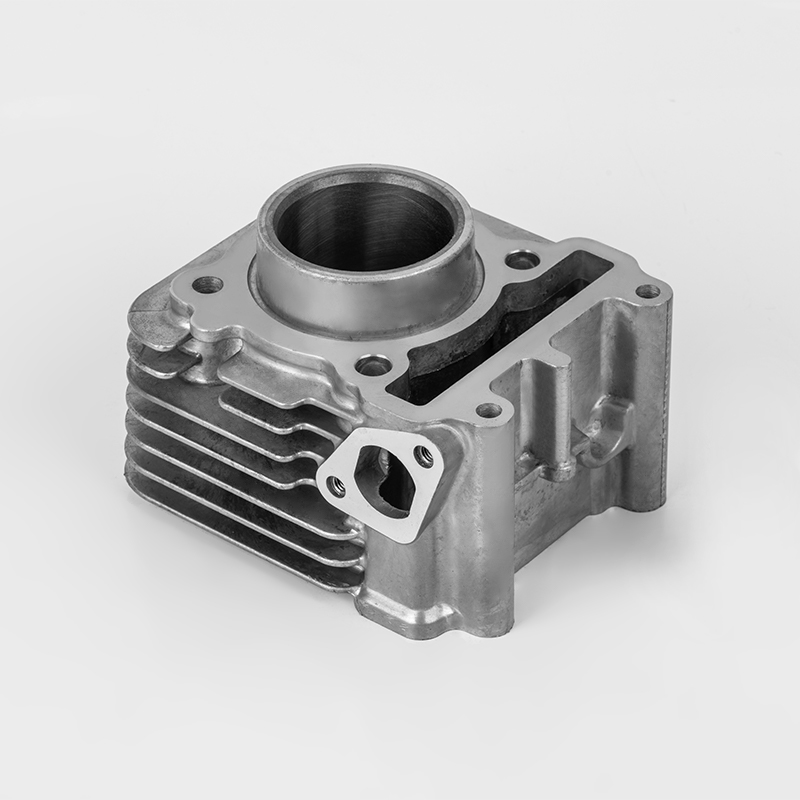
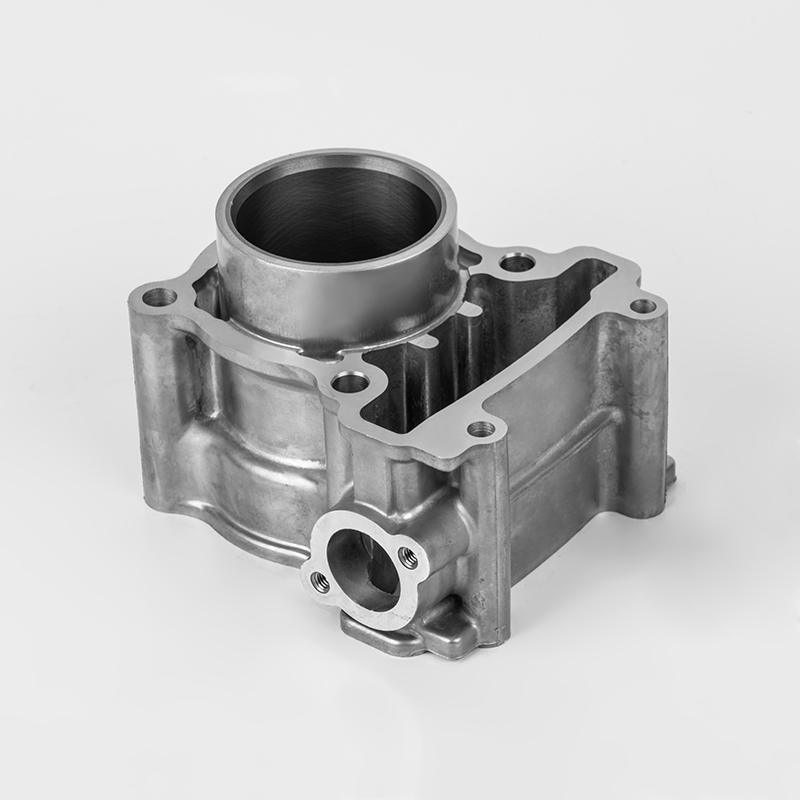
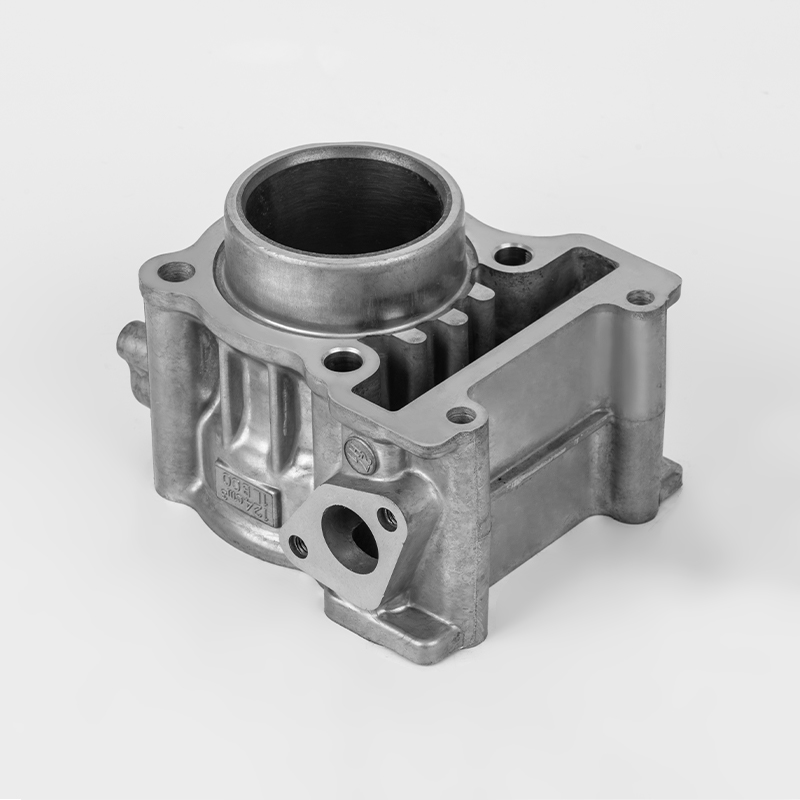
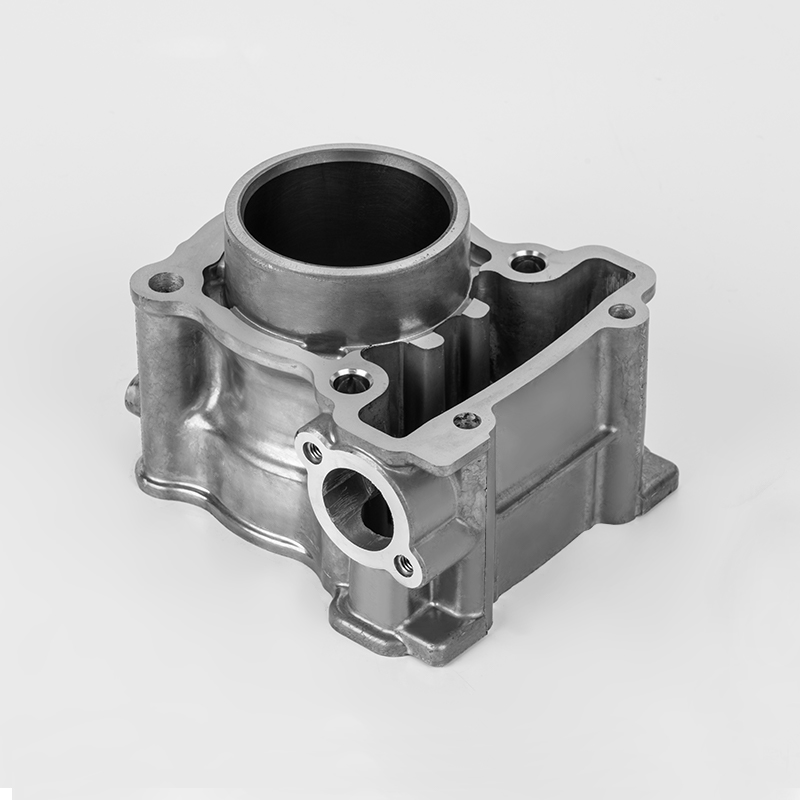
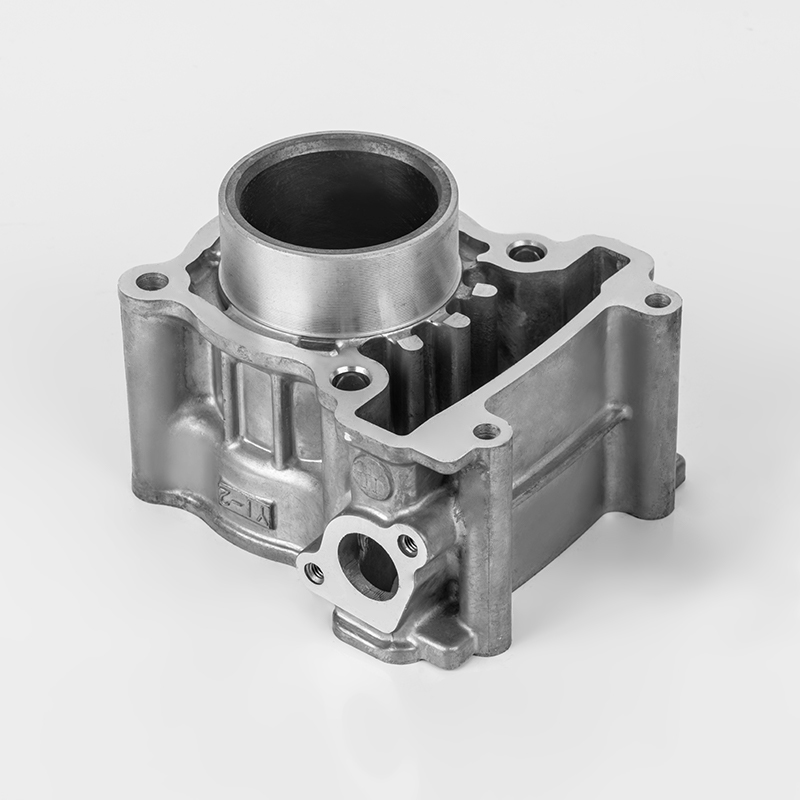
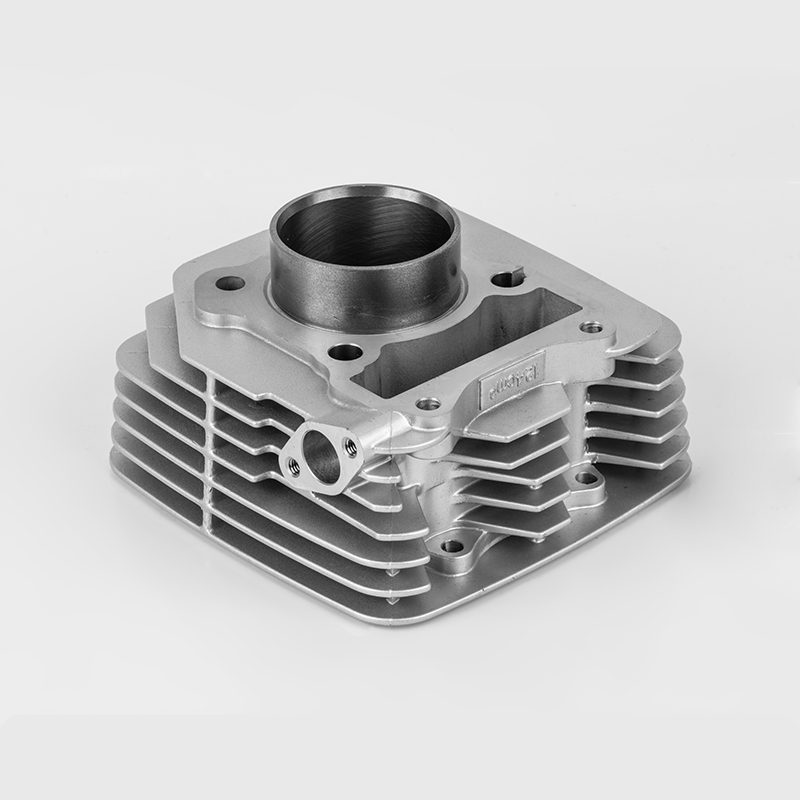
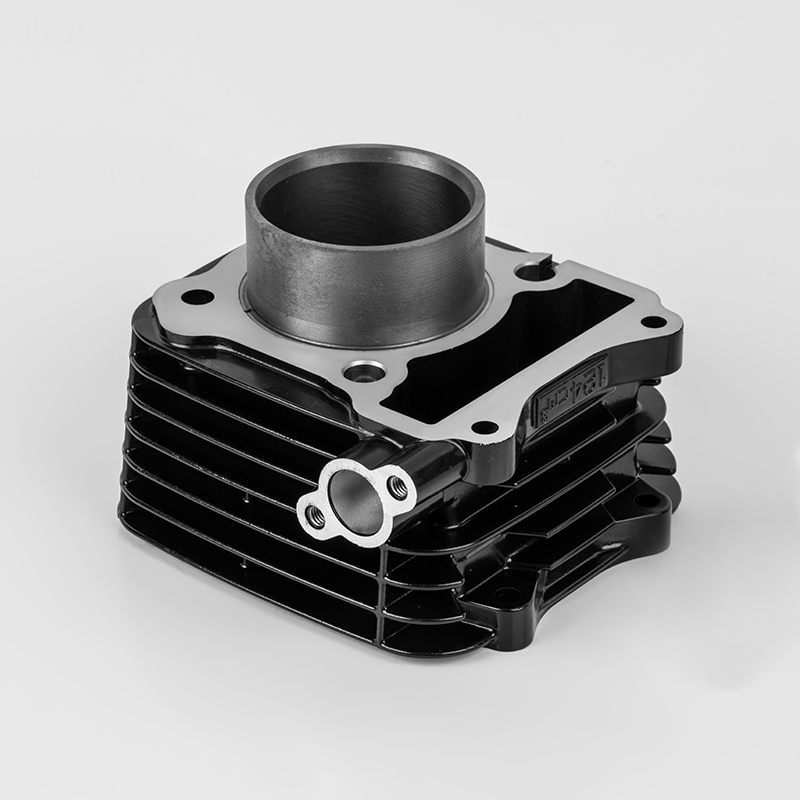
One detail that matters more than most riders realize is the cylinder material. The GSX-8R uses a Suzuki Aluminum Alloy Motorcycle Cylinder block, a lightweight construction approach that reduces overall engine mass compared to older cast-iron sleeve designs. Aluminum alloy cylinders dissipate heat faster than iron, which helps the engine maintain stable performance during extended highway riding or repeated stop-and-go traffic where heat buildup is common. The lighter mass also benefits the bike's overall weight distribution, since the engine sits low in the frame and contributes directly to the bike's center of gravity.
Inside the cylinder bores, Suzuki applies a SCEM (Suzuki Composite Electrochemical Material) plating process directly onto the aluminum surface rather than inserting a separate steel liner. This plating creates a hard, wear-resistant surface that allows tighter piston-to-wall clearances, which reduces oil consumption and improves combustion efficiency over the engine's service life. The approach mirrors what Suzuki has used on its GSX-R sport bike line for years, carried down into the more affordable 8-series platform. Because the cylinder walls themselves are part of the cast aluminum block rather than a separate component, the entire top end runs lighter and cools more evenly across all four piston bores.
Suzuki also fits a 270-degree crank phase on this twin, which produces a firing pulse pattern closer to a V-twin feel than a typical 180-degree inline twin, giving the bike a distinct exhaust note and a torque delivery that feels stronger at low rpm than the displacement number suggests. A secondary balancer shaft keeps vibration low at highway cruising speeds, which matters on a bike with a relatively stiff aluminum-cylinder engine mounted rigidly to the frame.
| Specification | Value |
|---|---|
| Displacement | 776cc |
| Cylinder Configuration | Parallel-twin, aluminum alloy block with SCEM plating |
| Bore x Stroke | 84.0mm x 70.0mm |
| Compression Ratio | 12.8:1 |
| Max Power | 81 hp @ 8,500 rpm |
| Max Torque | 57.5 lb-ft @ 6,800 rpm |
| Crank Phase | 270 degrees |
Transmission and Drivetrain Behavior
Power reaches the rear wheel through a six-speed gearbox with a bi-directional quickshifter included as standard equipment on most trims. Gear spacing is tuned for short, snappy shifts in the lower gears for quicker acceleration off the line, with taller fifth and sixth gears that keep engine speed relaxed during highway cruising.
An assist-and-slipper clutch reduces lever effort at the bar by roughly 30 percent compared to a conventional clutch, according to Suzuki's published engineering notes, while also limiting rear wheel hop during aggressive downshifts into corners. Final drive uses a sealed chain, which is the more common choice in this displacement class compared to a belt or shaft setup, trading slightly more maintenance for lower weight and easier sprocket gearing changes.
- Six-speed manual transmission with close-ratio lower gears
- Bi-directional quickshifter standard on most trims
- Assist-and-slipper clutch with reduced lever pull effort
- Sealed chain final drive with standard sprocket gearing
Chassis, Suspension and Braking Hardware
The GSX-8R rides on a steel trellis-style main frame, paired with an aluminum swingarm that keeps unsprung weight low at the rear wheel. Rake sits at 25 degrees with 101mm of trail, a geometry chosen for stability at speed without making the bike feel lazy through slower, technical corners. Wheelbase measures 1,465mm, longer than a pure supersport but shorter than most full-size tourers, which is part of why the bike feels equally comfortable splitting lanes and holding a line through a canyon road.
Front End
A 41mm KYB inverted fork provides full adjustability for preload, compression, and rebound damping, with 130mm of travel. Dual 310mm floating brake discs are paired with Nissin radial-mount four-piston calipers, giving strong initial bite without feeling grabby at low speed.
Rear End
The rear KYB shock offers preload and rebound adjustment through a remote knob mounted near the seat, with 130mm of travel as well. Braking is handled by a single 240mm disc with a single-piston caliper, sized appropriately given the bike's modest curb weight.
ABS comes standard across all trims and is non-switchable on base models, while higher trims pair the ABS calibration with the lean-sensitive IMU discussed in the electronics section below. Wheels are cast aluminum, sized 17 inches front and rear, wrapped in 120/70 front and 180/55 rear rubber on most international spec sheets.
Aerodynamics and Bodywork Design
Unlike the naked GSX-8S, the 8R wears full fairings designed around a double-bubble windscreen and a relatively narrow frontal profile. Suzuki's wind tunnel notes describe the fairing shape as prioritizing rider comfort at highway speed over outright top-speed aerodynamics, which explains why the screen sits slightly taller than typical supersport designs.
Side fairings route hot air away from the rider's legs through internal ducting behind the radiator, a detail that matters during summer commuting when stationary in traffic for extended periods. The tail section uses a stepped seat design that separates rider and passenger positions clearly, which also creates a small amount of additional luggage strap-down area for short trips.
LED lighting is used throughout, including the headlight, position lights, and turn signals, with a distinctive vertical stacked headlight arrangement that has become a recognizable styling cue across Suzuki's current sport bike lineup.
Electronics and Rider Assistance Systems
Suzuki equips the GSX-8R with a five-axis IMU that feeds data into the traction control, ABS, and wheelie control systems. This is a notable step up from earlier 8-series bikes that relied on simpler two-axis sensors, allowing the electronics to react to lean angle and pitch rather than wheel speed alone.
- Traction control with multiple intervention levels, adjustable on the fly
- Three selectable ride modes adjusting throttle response curves
- Bi-directional quickshifter as standard equipment on most trims
- Low RPM Assist, which raises idle speed slightly during takeoff to prevent stalling
- Lean-sensitive ABS calibrated through the five-axis IMU
The dash is a 5-inch full-color TFT display with automatic brightness adjustment and smartphone connectivity through Suzuki's MySpin app, allowing call and message notifications to appear on the dash without removing a glove to check a phone. Riders can also toggle between two dash layouts, one prioritizing a large digital speed readout and one prioritizing the rev counter and lean angle indicator for track riding.
Ergonomics and Rider Comfort
Seat height is set at 31.9 inches, which is approachable for most riders over 5 feet 6 inches without needing to tiptoe at a stop. The handlebar position is lower and more forward-leaning than the upright GSX-8S, reflecting the sportier intent of the fairing-equipped model, though Suzuki kept the reach shorter than a full supersport to avoid excessive wrist loading on longer rides.
Footpeg position sits slightly rearward and higher than a typical naked bike, improving ground clearance for cornering without making the riding triangle feel cramped during a multi-hour ride. Seat padding uses a firmer foam density than the outgoing SV650, which holds its shape better over time but takes slightly longer to break in for new owners.
Real-World Performance and Track Comparison
Independent road tests have generally measured the GSX-8R's quarter-mile times in the mid-to-high 12-second range, with a top speed a little above 130 mph depending on rider weight and gearing. These numbers place it competitively against rivals like the Yamaha MT-09 derived sport models and the Kawasaki Ninja 650, though the GSX-8R's torque curve is noticeably flatter through the midrange thanks to the 270-degree crank phase.
On a technical track day setting, the lighter aluminum-cylinder engine and trellis frame combination favor quick direction changes over outright high-speed stability, which is consistent with Suzuki's positioning of the bike as a street-focused sport model rather than a dedicated track weapon.
Fuel Economy and Touring Range
Fuel economy averages between 50 and 58 miles per gallon in mixed riding conditions, which is respectable for a sport-oriented twin. With a 13.5-liter (3.6-gallon) fuel tank, that translates into a realistic range of roughly 180 to 200 miles before needing a refill, making the bike practical for weekend touring as well as daily commuting.
Available Colors and Trim Levels
The 2024 GSX-8R is offered in several color schemes depending on regional market, typically including a Pearl Matte Shadow Gray, a Metallic Triton Blue paired with white accents, and a Glass Sparkle Black option for buyers preferring a more understated look. Trim differences are generally limited to paint and minor electronic package variations rather than mechanical changes, meaning the engine, aluminum cylinder block, and chassis remain identical across every color option.
| Color Option | Typical Availability |
|---|---|
| Pearl Matte Shadow Gray | North America, Europe |
| Metallic Triton Blue | Global, most regions |
| Glass Sparkle Black | Europe, Asia-Pacific |
Maintenance Notes for Long-Term Ownership
Suzuki recommends an initial service at 600 miles, followed by valve clearance checks roughly every 15,000 miles, a longer interval than many comparable twins thanks to the engine's finger-follower valve actuation design. Oil change intervals sit around 4,000 miles or annually, whichever comes first, using a 10W-40 semi-synthetic oil in most climates.
Because the cylinder bores use SCEM plating rather than a separate steel liner, riders should avoid aggressive aftermarket boring or honing without a shop experienced in plated-bore engines, since improper resurfacing can remove the wear-resistant coating entirely. Routine maintenance, by contrast, is straightforward and does not require any special tools beyond what a typical home garage already has for similar Suzuki twins.
| Service Item | Interval |
|---|---|
| Engine Oil and Filter | Every 4,000 miles or 12 months |
| Valve Clearance Check | Every 15,000 miles |
| Air Filter | Every 8,000 miles, clean type |
| Coolant Replacement | Every 2 years |
| Chain Lubrication | Every 500 miles or after riding in rain |
How the GSX-8R Compares to Its Closest Rivals
The middleweight sport bike segment is crowded, and most buyers cross-shop the GSX-8R against a handful of familiar names before deciding. The table below lines up the core numbers so the differences are easy to scan at a glance, with the aluminum alloy cylinder construction discussed earlier remaining one of the GSX-8R's clearer advantages in terms of weight and heat management.
| Model | Engine | Power | Curb Weight |
|---|---|---|---|
| Suzuki GSX-8R | 776cc parallel-twin | 81 hp | 445 lb |
| Yamaha MT-09 SP | 890cc inline-triple | 117 hp | 430 lb |
| Kawasaki Ninja 650 | 649cc parallel-twin | 67 hp | 419 lb |
| Honda CB650R | 649cc inline-four | 94 hp | 450 lb |
Ownership Costs to Plan Around
Beyond the purchase price, owners should budget for routine consumables such as tires, chain and sprocket sets, and brake pads, all of which wear at fairly predictable rates given the bike's modest weight and power output. Tire life on the stock rubber typically runs between 4,000 and 6,000 miles depending on riding style, while chain and sprocket sets usually last 12,000 to 18,000 miles with consistent lubrication.
Insurance costs tend to sit closer to other middleweight twins rather than higher-output triples or inline-fours, reflecting both the bike's moderate power output and its broad appeal to a wider range of rider experience levels.
Frequently Asked Questions
Is the 2024 GSX-8R good for beginner riders?
The power delivery is smooth enough for newer riders with some prior experience, though the seat height and overall weight make it better suited to riders who have already spent time on a smaller displacement bike rather than a true first motorcycle.
What makes the aluminum alloy cylinder block important?
The lighter aluminum construction reduces overall engine weight and improves heat dissipation compared to older cast-iron designs, while the SCEM bore plating maintains durability without needing a heavier steel liner inside each cylinder.
How does the GSX-8R compare to the GSX-8S?
Both share the same 776cc engine and aluminum cylinder block, but the 8R adds full fairings, a more aggressive riding position, and slightly revised suspension settings aimed at sportier handling rather than upright commuting comfort.
What is the realistic fuel range on a full tank?
With the 13.5-liter tank and typical mixed-riding fuel economy, most owners report a usable range between 180 and 200 miles before the low-fuel warning activates.
Does the GSX-8R require premium fuel?
No. The 12.8:1 compression ratio is tuned to run reliably on regular unleaded fuel, which keeps running costs lower compared to engines that require premium grades.
How often does the chain need lubrication?
Most owners lubricate the chain roughly every 500 miles, or sooner after riding in wet or dusty conditions, to protect both the chain and the sprockets from premature wear.
Is the quickshifter included as standard equipment?
Yes, the bi-directional quickshifter comes standard on most trims, allowing clutchless upshifts and downshifts once the rider has built familiarity with the system's engagement point.